
CHEVROLET ENGINE & COOLING REPAIR — LANGLEY
Chevrolet Engine & Cooling Repair for Langley Drivers
Diagnosis of check-engine lights, misfires, coolant loss, overheating, oil leaks, engine noise and drivability problems across Chevrolet cars, SUVs and trucks.
We service Chevrolet Silverado, Colorado, Tahoe, Suburban, Equinox, Traverse, Malibu, Camaro, Corvette and other applicable Chevrolet models.
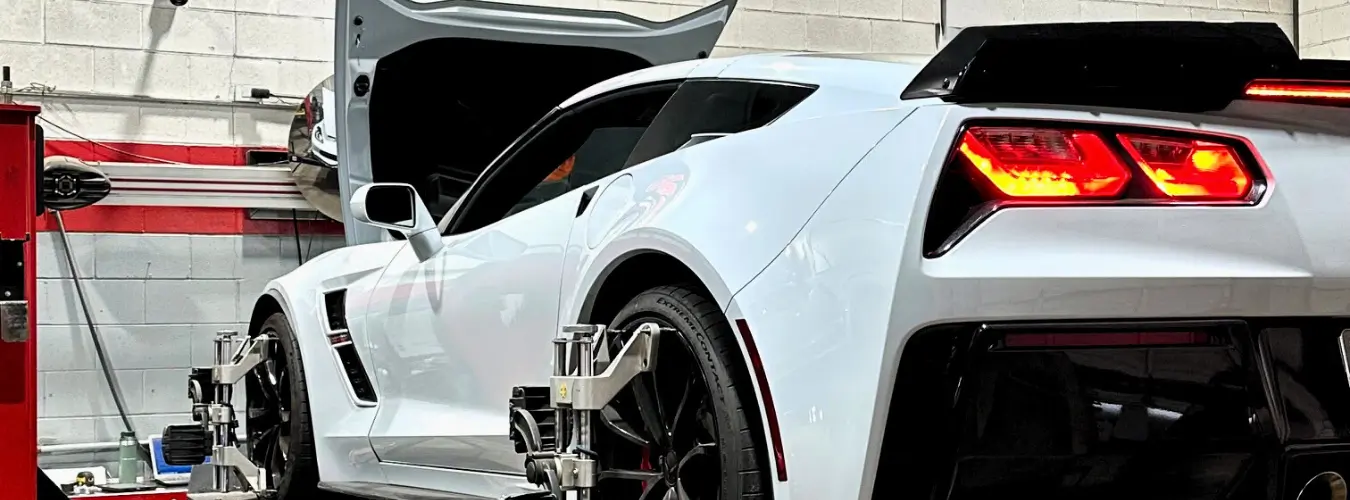
CHEVROLET ENGINE DIAGNOSIS
Test the cause before replacing parts.
A warning light or misfire code identifies a system or symptom, not necessarily the failed component.
Check-Engine Light
Scan faults and evaluate operating data before recommending parts.
Misfires
Ignition, fuel delivery, airflow, compression and mechanical condition may contribute.
Loss of Power
Diagnose fuel, ignition, airflow, exhaust and engine-management concerns.
Rough Running
Evaluate engine operation at idle, under acceleration and at operating temperature.
Oil Leaks
Locate the source before recommending gaskets, seals or other repairs.
Engine Noise
Separate internal engine, accessory-drive and related-system noises.
Hard Starting
Battery, fuel, ignition, sensor and mechanical concerns can overlap.
Stalling
Diagnose engine-management, fuel and airflow concerns under the right conditions.
Fuel Economy Concerns
Engine operation, tires, brakes and driving conditions can all affect fuel consumption.
CHEVROLET OVERHEATING
Find the reason temperature is climbing.
Cooling problems can involve coolant loss, airflow, circulation, thermostat operation, cooling-fan operation or internal engine concerns.
CHEVROLET COOLANT LEAKS
A small coolant leak can become a major problem.
Radiator Leaks
Inspect radiator tanks, seams and related connections.
Coolant Hoses
Check hoses, clamps and fittings for leakage or deterioration.
Water Pump Leakage
Coolant around the pump or pulley area may require closer inspection.
Thermostat Housing
Housing and seal leakage can lower coolant level over time.
Heater System
Heater-core and hose leaks can cause coolant loss or interior odour.
Expansion Tank / Reservoir
Inspect applicable reservoirs, caps and connections.
SILVERADO & TOWING HEAT
Heavy truck use increases engine and cooling-system load.
Towing, payload, mountain driving and commercial use place additional heat load on Silverado and other Chevrolet truck powertrains.
CHEVROLET MISFIRE DIAGNOSIS
A misfire code does not tell you which part to replace.
Spark Plugs
Inspect wear, condition and correct application.
Ignition Coils
Test ignition output where appropriate.
Fuel Delivery
Injector or fuel-system concerns can create cylinder misfires.
Air / Vacuum Leaks
Unmetered air can affect idle quality and fuel control.
Compression
Mechanical condition should be considered when ignition and fuel systems test correctly.
Scan Data
Misfire counters and operating data can help narrow the diagnostic direction.
RELATED CHEVROLET SERVICE
Continue through the Chevrolet service cluster.
CHEVROLET ENGINE & COOLING INQUIRY
Tell us what your Chevrolet is doing.
Include warning lights, overheating, coolant loss, rough running, misfires, power loss, unusual noises or oil leakage.
If the vehicle overheats only while towing, climbing hills or sitting in traffic, include that detail.
CHEVROLET ENGINE REPAIR NEAR LANGLEY
Dale's Auto Service
#107 – 19415 56 Avenue
Surrey, BC V3S 6K2
Immediately west of the Surrey–Langley border.
Monday–Saturday · 8:00 AM–5:00 PM
CHEVROLET ENGINE FAQ
Common Chevrolet engine and cooling questions.
Why is my Chevrolet overheating?
Possible causes include low coolant, external leaks, thermostat problems, water-pump concerns, cooling-fan faults, radiator problems or internal engine issues.
Can I drive my Chevrolet if it is overheating?
Continuing to drive an overheating engine can cause serious damage. Safely stop and arrange towing.
Do you diagnose Chevrolet check-engine lights?
Yes. Fault codes and operating data are used as part of the diagnostic process.
Does a misfire code always mean a bad ignition coil?
No. Spark plugs, fuel delivery, airflow, compression and mechanical engine issues can also cause misfires.
Do you repair Chevrolet coolant leaks?
Yes. Pressure testing and inspection can help identify radiator, hose, water-pump, housing and other cooling-system leaks.
Do you service Silverado engine and cooling systems?
Yes. Silverado engine, cooling, overheating and drivability concerns can be diagnosed and serviced.
Do you service Chevrolet cars and SUVs too?
Yes. Engine and cooling service is available for many Chevrolet cars and SUVs including Equinox, Traverse, Tahoe, Suburban, Camaro and Corvette.